
Sam ChuiのYouTubeチャンネル
| https://www.youtube.com/channel/UCfYCRj25JJQ41JGPqiqXmJw チャンネル登録者数 152万人 |
ユーチューバーのSam Chuiについて
Sam Chui氏は航空系Youtuberでは最も有名な存在で、世界中の航空会社に乗っています。特に新しい機材が導入された時の初フライトのレポートがたくさんアップロードされています。また映像もきれいでたいへん見やすいのが特徴です。
インスタもみていて引き込まれます。
-


I Flew to America’s Northernmost City: Arctic Flight Operation
Join me on an unforgettable day trip from Anchorage to Utqiagvik — better known as Barrow — the northernmost city in the United States, located deep inside the Arctic Circle.
I flew north in the morning aboard a Horizon Air Embraer 175, passing Denali and some of Alaska’s most spectacular scenery along the way. After a stunning arrival under completely clear skies, I spent nine hours exploring Barrow and experiencing daily life in one of America’s most remote communities.
Thanks to Gus and the friendly local airport team, I was also able to stay behind and see how the station operates. We watched passenger flights and a Boeing 737 freighter arrive with essential supplies, including an impressive amount of fresh produce. With no roads connecting Barrow to the rest of Alaska, aviation is a vital lifeline for the entire community.
After visiting the town and enjoying a surprisingly generous lunch, I returned to the airport for the afternoon Alaska Airlines Boeing 737 flight back to Anchorage. The Arctic scenery was breathtaking, but it was the warmth and goodwill of the people in Barrow that left the strongest impression.
I hope to return one day — perhaps during winter — to experience this remarkable place in a completely different season.
#Alaska #Barrow #Utqiagvik #ArcticCircle #HorizonAir #Embraer175 #Aviation #AlaskaTravel -

I Flew Alaska Airlines’ 5-Stop Milk Run — Here’s What Happened
I flew Alaska Airlines’ famous Milk Run from Seattle to Anchorage - a journey that normally takes around three hours nonstop, but on this route took nearly nine hours with five separate takeoffs and landings.
The flight stopped in Ketchikan, Wrangell, Petersburg and Juneau before continuing to Anchorage, connecting remote coastal communities that have no direct road access. For many of these towns, the Milk Run is more than just a flight—it is an essential link for passengers, mail, supplies and cargo.
Captain Brian personally showed me how the Milk Run operates and explained what happens during the quick turnarounds at each stop. Along the way, the flight attendants also shared their experiences of working this unique route and serving the remote communities of southeast Alaska.
The journey offered spectacular views of narrow waterways, forest-covered islands, mountains, glaciers and the Inside Passage. One of the most memorable sectors was the incredibly short flight from Wrangell to Petersburg, which took only around nine minutes by air but nearly three hours by ferry.
Every sector was busy, with most flights operating at over 80 percent capacity. Despite five takeoffs, five landings and several quick turnarounds, every flight operated right on time.
Join me on one of the most unique airline journeys in America and go behind the scenes with the pilots and cabin crew to see why Alaska Airlines’ Milk Run remains such an important part of life in southeast Alaska. -

Hong Kong’s Kai Tak Airport Comes Back to Life!
Go to https://surfshark.com/sam for 4 extra months of Surfshark!
Hong Kong’s legendary Kai Tak Airport is back — in miniature!
Two passionate aviation enthusiasts have created some of the most amazing airport model displays I have ever seen. Their collection includes detailed recreations of airports such as New York JFK, London Heathrow, LAX, Mumbai, and now their latest masterpiece: Hong Kong’s Kai Tak Airport.
This is not just a static model. The plane actually moves! They can land and taxi around, bringing the atmosphere of old Kai Tak back to life. From the famous approach into Runway 13 to the busy apron, terminal scenes, city backdrop, and even the night lighting, every detail captures the magic of one of aviation’s most iconic airports.
Walking through this display feels like stepping back in time to the golden age of aviation. For anyone who remembers Kai Tak, or has heard the stories of its dramatic approach over Hong Kong, this miniature airport is truly something special.
Join me as I revisit this incredible private aviation collection and explore the world’s coolest model airport.
#KaiTak #HongKongAirport #Diecast #AvGeek #airplanemodel #SamChui -

Inside California’s Airplane Boneyard
From Boeing 747s, 777s and MD-11s to four giant Airbus A380s, hundreds of aircraft rest in the Mojave desert awaiting their final fate.
#Aviation #Mojave #AirplaneBoneyard #B747 #B777 #A380 #SamChui
Follow me!

こちらのYoutuberも人気です

 おのだ/Onoda 航空系Youtuberのおのだ氏のチャンネル。世界中の航空会社の飛行機に搭乗したレポートを放送しています。エコノミーはもちろん、ビジネスや […]
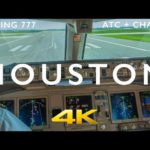 Guillaume Laffon エールフランスのパイロットのチャンネル。コックピットにカメラを設置して世界中の航空での離着陸のシーンをアップしており、とても臨場感があるの […]
 モアクリ 子猫を飼っている飼い主が、丁寧に子猫の日常を映している。子猫が飼い主に懸命に何かを話しかけている様子や、肉球の手入れ、身体のシャンプー、動 […]
 Fischer’s-セカンダリ- 色んな遊びを、面白い大人たちが本気でやり尽くす番組です。中には、絶対に真似をしてはいけないような危険な遊びから、身近な環境でもチャレンジで […]
 Chickensan よく見かけるあの鳥のおもちゃでこんなことが出来るのかと発想の転換がまさに動画になったと感じるチャンネルです。一度でも聞いたことのある曲をこ […]
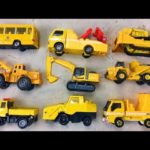 ちびっこギズモ 男の子大好きな車シリーズの動画です。その中でも子供が好きな「事故」や「砂」との組み合わせが特徴です。あとは加工してあるので子供にとっては不 […]